
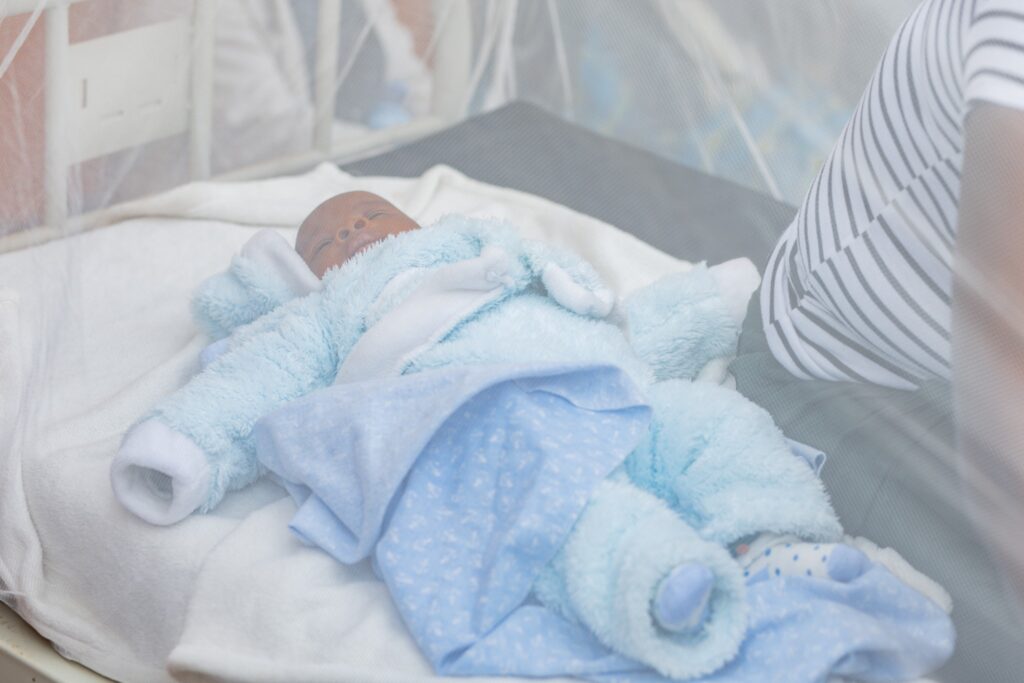
For families in Rubingo Ward, North Division of Fort Portal Tourism City, the distribution of insecticide-treated mosquito nets was more than the handover of a health commodity. It was a renewed commitment to protecting children, pregnant women and entire households from one of Uganda’s most persistent public-health threats.
Through the Rotary Community Action for Malaria Prevention and Health Improvement Project, 500 insecticide-treated mosquito nets were distributed to pre-identified vulnerable households at Rubingo Health Centre III. The exercise combined the physical distribution of nets with practical malaria prevention education, beneficiary engagement and collaboration among health authorities, community structures and development partners.
The activity was implemented by the Rotary Club of Kabarole with support from Malaria Partners International and technical partnership from Malaria Partners Uganda. REST-Africa joined stakeholders in supporting a community-centred approach that places prevention knowledge, household responsibility and local ownership at the heart of malaria control.
Responding to an Identified Community Need
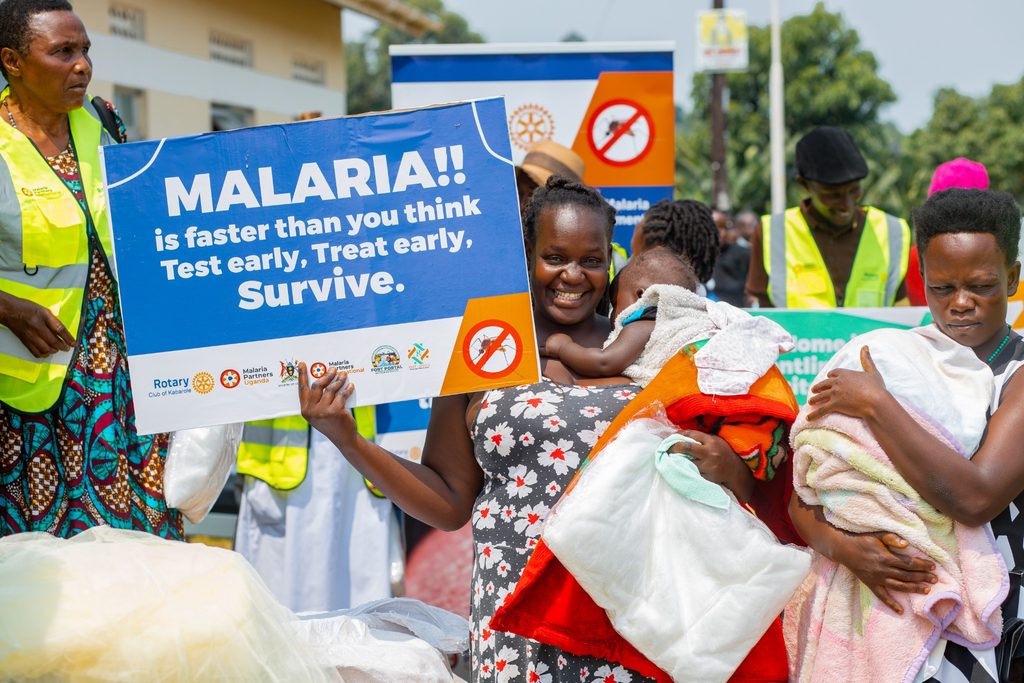
Malaria remains a major public-health concern, particularly among children under five years, pregnant women and households with limited access to essential preventive services.
Findings from the RCAMP-HI baseline survey conducted in Rubingo Ward revealed frequent household-level malaria infections, inconsistent use of mosquito nets, delayed care-seeking and gaps in community knowledge about malaria prevention. Although some households owned mosquito nets, correct and consistent utilisation remained a challenge.
The distribution exercise was therefore deliberately designed to address two interconnected barriers: access to insecticide-treated mosquito nets and the knowledge required to use them effectively.
Each net distributed represented an opportunity to protect a household from mosquito bites, reduce exposure to malaria and prevent avoidable illness, treatment costs, school absenteeism and loss of household productivity.
Beyond Distribution
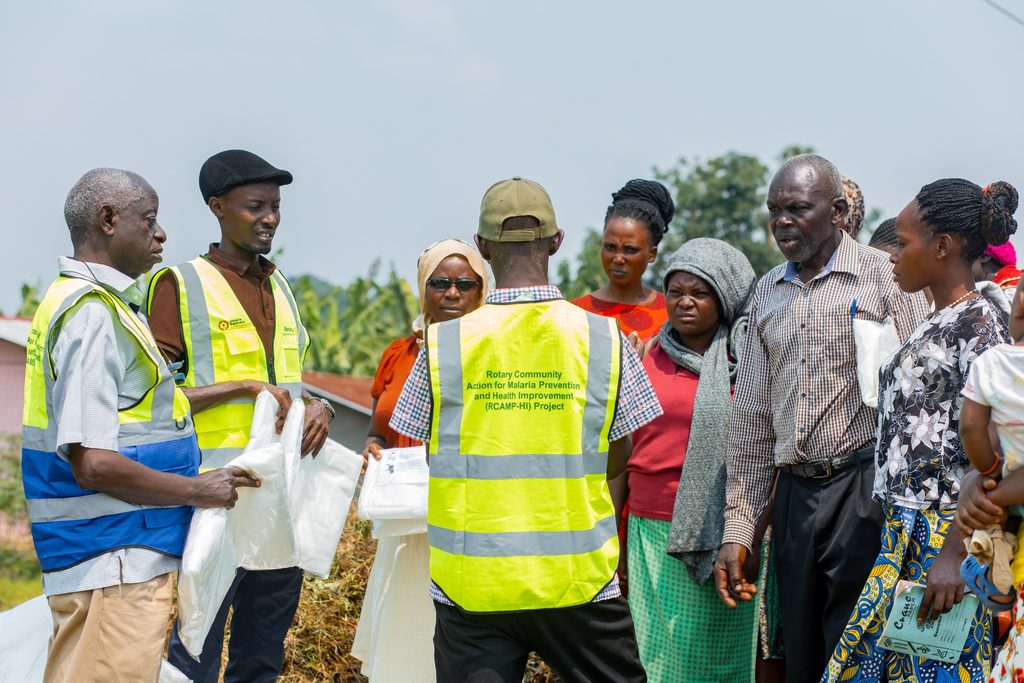
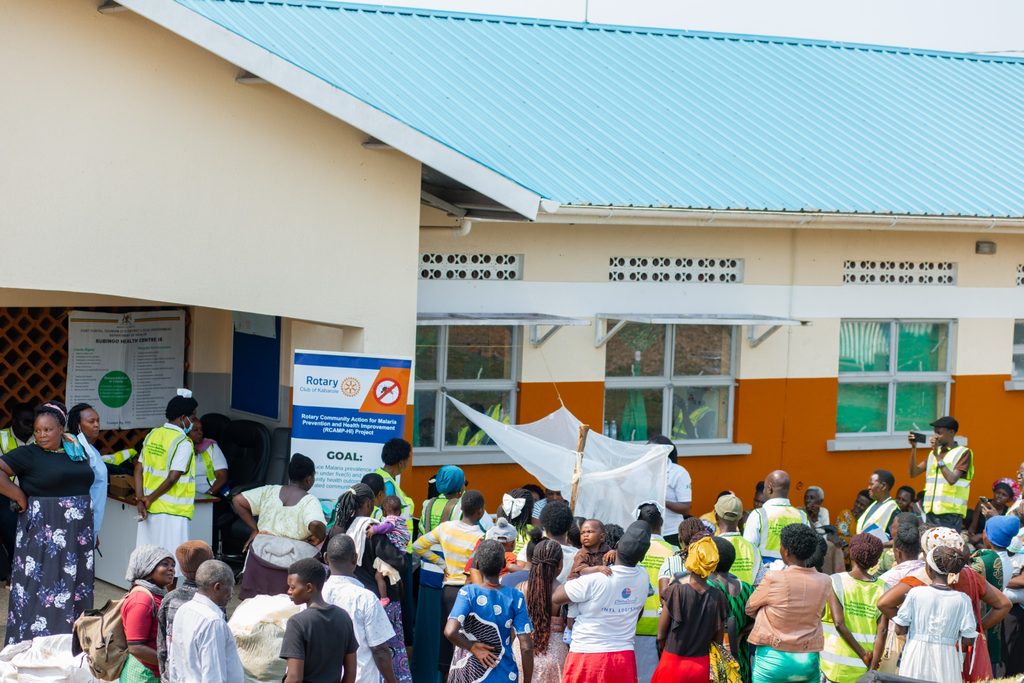
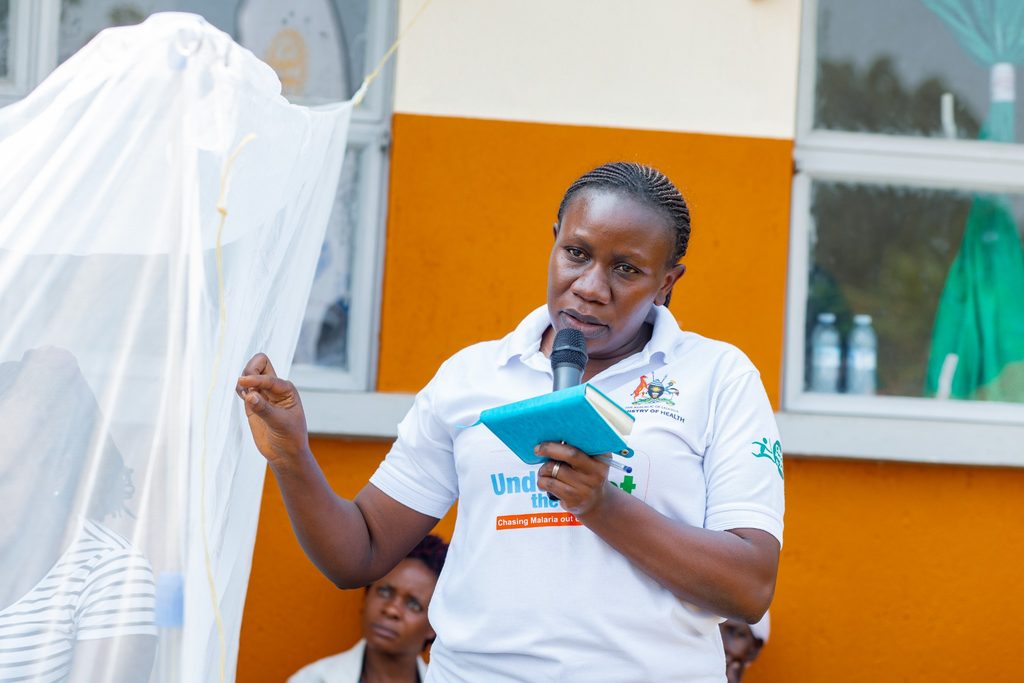
Before receiving the mosquito nets, beneficiaries participated in malaria prevention sensitisation and practical demonstrations.
Health personnel and project volunteers explained how to hang the nets correctly, how to care for and maintain them, and why every household member should sleep under a mosquito net consistently throughout the year. Particular emphasis was placed on protecting children under five and pregnant women because of their heightened vulnerability to severe malaria.
Beneficiaries were also reminded that mosquito nets work best when combined with other preventive practices, including maintaining clean surroundings, eliminating stagnant water and potential mosquito-breeding sites, seeking prompt testing when symptoms appear and completing prescribed malaria treatment.
The practical demonstration enabled community members to see how a net should be installed and used, transforming technical health information into simple actions that families could apply immediately after returning home.
City Health Leadership Strengthens the Message
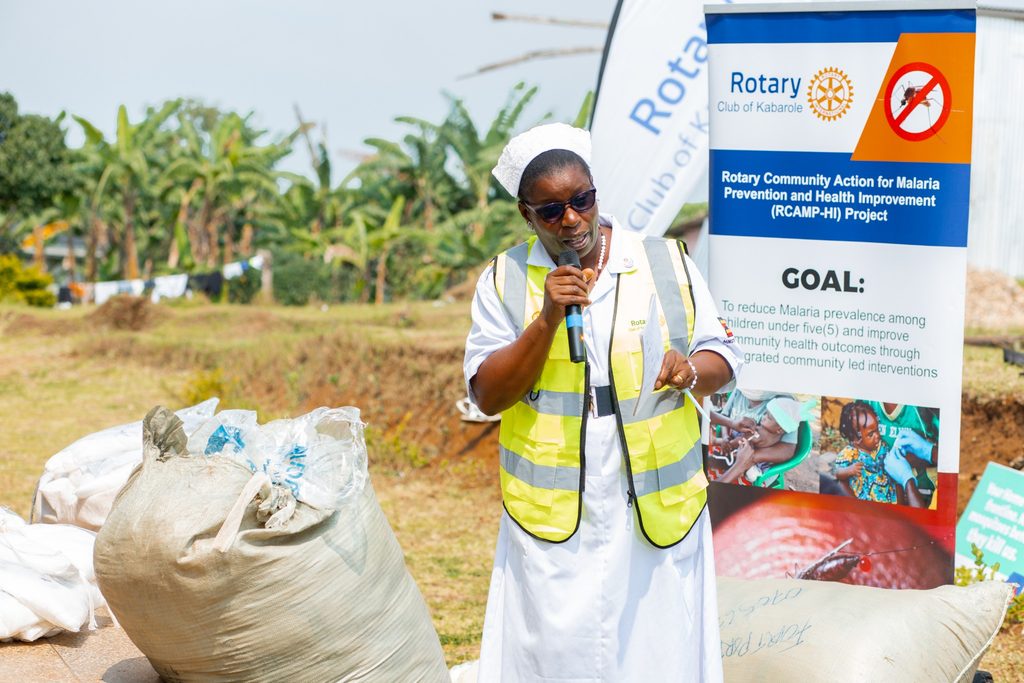
The activity was graced by Ayebale Brenda, the City Health Officer, who delivered the keynote address.
Her participation reinforced the importance of cooperation between community structures, civil-society organisations, Rotary, health facilities and local government in responding to malaria. She encouraged beneficiaries to use the distributed nets correctly and consistently, seek timely testing and treatment, and work with Village Health Teams to strengthen malaria prevention at household level.
Her message highlighted an important reality: owning a mosquito net is only the beginning. Its true value is realised when it is properly installed, cared for and used every night.
Community Structures at the Centre
Village Health Teams and local leaders played an important role in mobilising beneficiaries, verifying households and supporting the orderly distribution process. Rotarians, Rotaractors, health personnel and other volunteers assisted with beneficiary guidance, sensitisation, documentation and the physical handover of the nets.
This collaborative approach strengthened accountability and ensured that the available nets reached the households for which they were intended.
It also demonstrated the value of working through existing community structures. VHTs remain trusted links between households and the formal health system and will be essential in following up beneficiaries, addressing utilisation barriers and reinforcing malaria prevention practices.
Sustaining Protection Beyond the Distribution Day
While the distribution of 500 mosquito nets marked an important achievement, sustained malaria prevention will depend on what happens within beneficiary households in the weeks and months ahead.
Post-distribution monitoring will help establish whether the nets have been installed correctly, whether vulnerable household members are sleeping under them consistently, and whether beneficiaries require additional guidance.
The RCAMP-HI initiative will continue promoting malaria prevention through household engagement, community awareness activities, school-based campaigns and collaboration with health authorities.
At REST-Africa, we believe that sustainable health outcomes are achieved when communities are not treated simply as recipients of services but are equipped with the knowledge, tools and confidence to lead change within their own households.
The Rubingo Ward distribution exercise reflected this principle by bringing together prevention commodities, practical education, local leadership and community participation.
A Shared Commitment to a Malaria-Free Community.
Every child deserves to sleep safely. Every expectant mother deserves protection. Every household deserves access to reliable information and practical tools for preventing malaria.
The distribution of 500 insecticide-treated mosquito nets has extended protection to vulnerable families across Rubingo Ward. More importantly, it has strengthened a shared commitment among communities, health authorities, Rotary structures and development partners to confront malaria through coordinated and locally grounded action.
REST-Africa appreciates the Rotary Club of Kabarole, Malaria Partners International, Malaria Partners Uganda, the Fort Portal City Health Office, Village Health Teams, Rotaractors, volunteers and community leaders whose collective efforts made the activity possible.
Together, we can transform mosquito-net ownership into consistent utilisation, community awareness into preventive action, and partnership into healthier and more resilient communities.