
Location: Kihondo Village, Kasese District
Thematic Area: Environmental Stewardship & Natural Resource Governance
Beneficiary: James Bwambale, 41 years old, smallholder farmer and community leader
Before REST-Africa’s Intervention
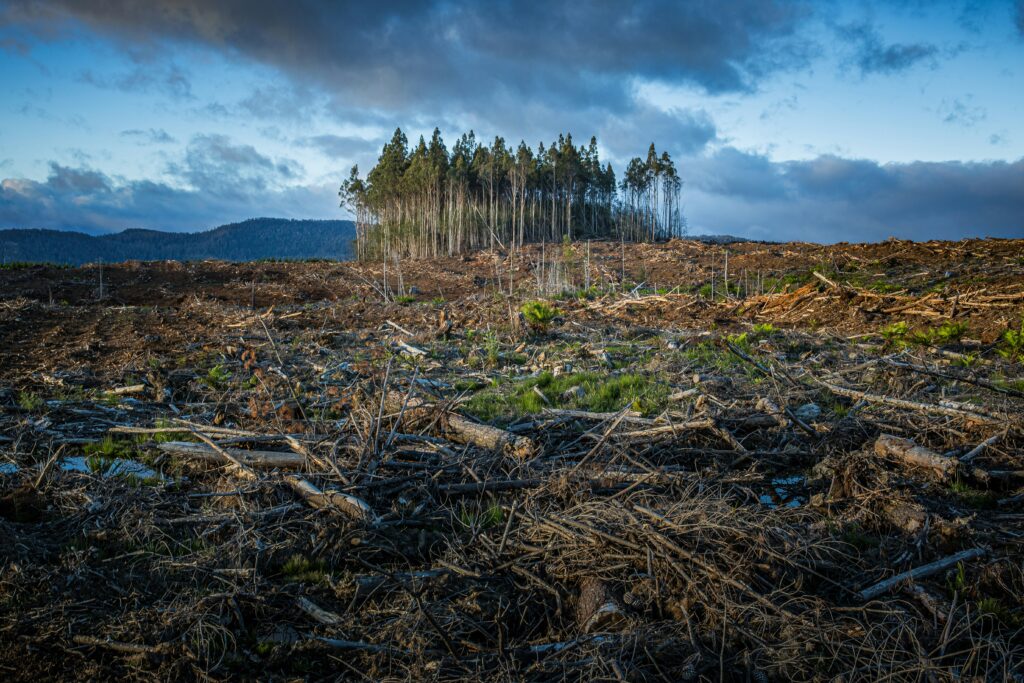
For decades, the hillsides of Kihondo Village in Kasese had been slowly degrading.
Continuous cultivation on steep slopes, deforestation for firewood, and heavy rains had exposed the land to severe soil erosion. Each year, the community watched as:
- Topsoil washed into riverbeds
- Gullies expanded across farmlands
- Yields dropped dramatically
- Springs dried up earlier than usual
- Flooding increased during the rainy season
For James Bwambale, a respected farmer and father of five, the degradation had personal consequences. His once-productive half-acre plot produced less food every season.
He recalls:
“The land was becoming tired. Even when I planted, the rain would wash everything away. I feared for my children’s future.”
REST-Africa Steps In
In 2026, REST-Africa launched its Environmental Stewardship & Natural Resource Governance program in Kasese, targeting highly degraded landscapes like Kihondo.
James was selected to participate in the Community-Led Landscape Restoration Initiative, where REST-Africa trained farmers on:
- Hillside terracing
- Agroforestry and tree planting
- Soil and water conservation
- Riverbank protection
- Assisted natural regeneration
- Restoration of degraded patches
- Landscape governance and community bylaws
REST-Africa provided farmer groups with tree seedlings, technical guidance, and continuous field mentorship.
Transformation
Within one rainy season, visible changes began to take shape:
🌱 James planted over 120 trees, including fruit, shade, and soil-binding species.
🧱 He constructed terraces and trenches that reduced soil erosion.
🚰 A restored spring near his home began flowing longer into the dry months.
🌳 His once-barren slope began showing signs of greening and soil regeneration.
For the first time in years, his beans and maize survived a heavy downpour.
The impact was not only environmental — it was also economic and social:
- The fruit trees promise future income from mangoes and avocado sales.
- Terraces helped retain moisture, reducing irrigation needs.
- Neighbors began replicating the same techniques after observing his results.
James proudly shares:
“Now when it rains, the soil stays. My land is alive again. I feel like we are restoring what we once lost.”
A Community Ripple Effect
James’s hillside became a demonstration site, attracting visits from nearby villages.
With REST-Africa’s support, his community established a local environmental committee to:
- Protect water sources
- Enforce bylaws against cutting young trees
- Coordinate bulk tree planting activities
- Promote renewable energy and fuel-saving technologies
Over 10,000 trees have been planted across project sites, and 150+ hectares of degraded land restored across the wider program area.
REST-Africa’s Impact Through James’s Story
James’s transformation embodies REST-Africa’s commitment to:
- Restoring degraded landscapes
- Strengthening climate resilience
- Enhancing biodiversity
- Empowering communities to lead conservation efforts
- Promoting renewable and nature-based solutions
His story shows that environmental restoration is not only possible — it is community-driven, sustainable, and life-changing.